
Pickleball is one of the fastest-growing games in the United States right now. Courts are popping up in neighborhoods everywhere. If you’re thinking about adding one to your property, picking the right builder matters more than you’d think.
Most people assume any concrete contractor can handle pickleball court construction. That’s where things go wrong. Building a court that actually lasts takes specific knowledge about drainage, proper concrete mixes, and surface materials. Get it wrong and you could end up dealing with major repairs much sooner than expected.
This guide breaks down the best pickleball court builders for 2026. We’ll cover what you can expect to pay, how to pick colors that won’t fade, official court dimensions, and the questions you should ask before hiring anyone.
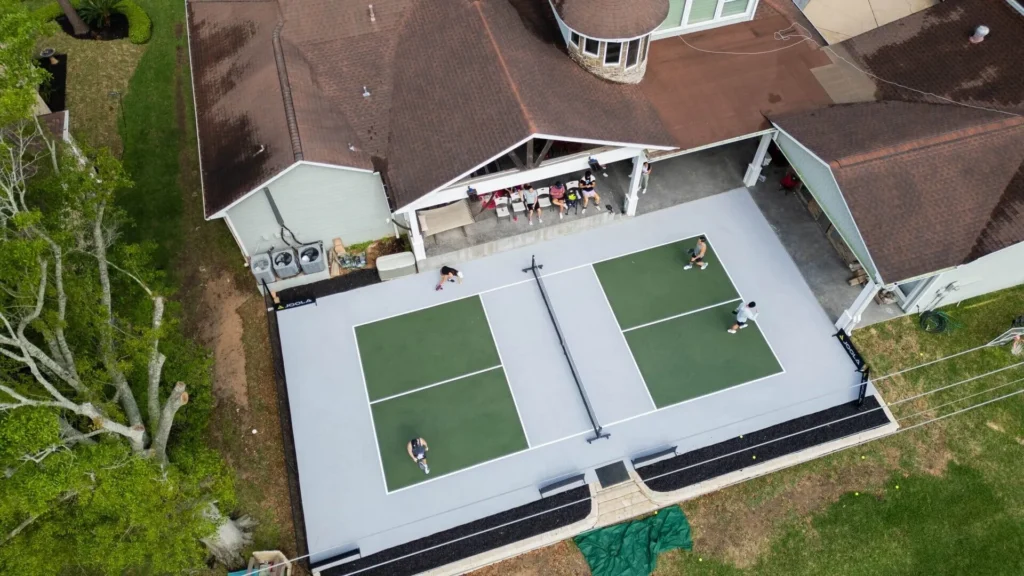
Green and gray family pickleball court near a clubhouse — stylish and fun setup for community or backyard play.
Best Pickleball Court Builders: 2026 Expert Guide to Professional Installation
Top 5 Pickleball Court Builders in 2026
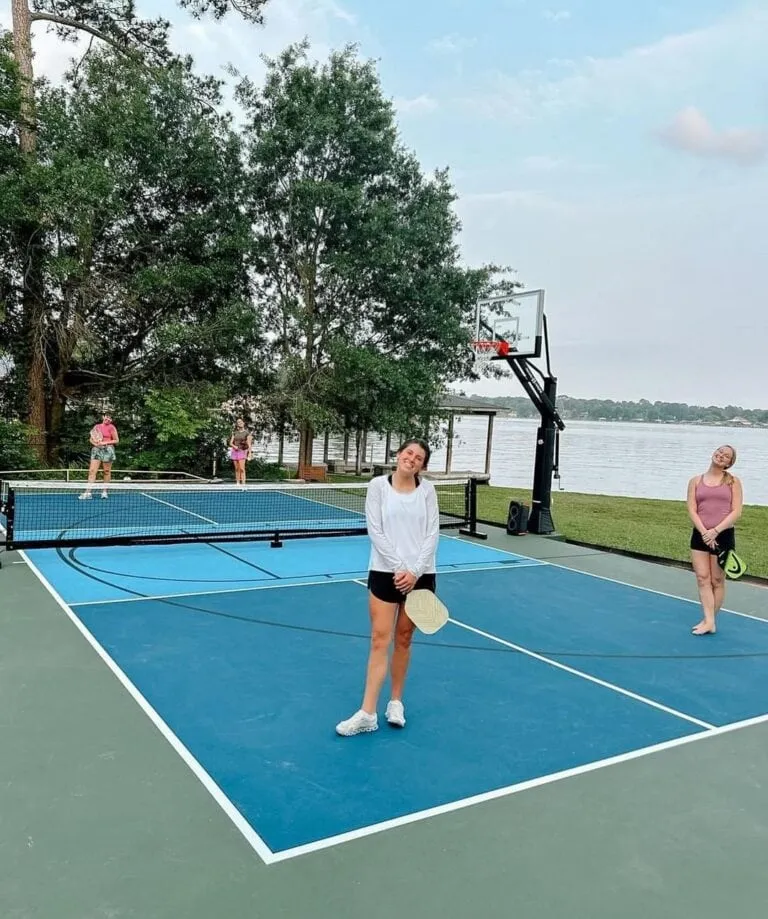
Family playing on a backyard pickleball court in Houston — fun, active outdoor living in a custom residential setup.
1. We Build Pickleball Courts – Best Overall for Texas Projects
Where They Work: Houston, Dallas-Fort Worth, Austin, San Antonio
Why They’re #1: We Build Pickleball Courts has built over 3,000 courts across Texas. They focus specifically on court construction, and that specialization shows in the planning, materials, and installation process.
Their crews understand Texas soil conditions. Clay in Houston and Dallas-Fort Worth requires different base preparation than many properties around Austin. They account for those regional differences. Texas summers can also be demanding on concrete, so proper curing practices are critical to reducing cracking risks.
What Makes Them Different
Post-tension concrete on larger projects can help reduce cracking compared with standard reinforcement methods. Concrete is allowed to cure for around 30-35 days before surfacing begins, helping reduce the risk of coating problems.
Surfacing materials are designed for high-performance court use and can withstand frequent play and UV exposure. The playing surface is built to maintain consistent ball response and durability over time.
They handle many aspects of the project, including:
- Court lighting
- Basketball court integration
- Fencing
- Nets
- Line striping
- Custom court layouts
They also work with recognized equipment and surfacing manufacturers to provide high-quality materials suitable for professional game courts.
Types: Game court setups, outdoor courts, commercial facilities, tennis, basketball, and custom designs
Cost: Basic courts start at approximately $34,000. Full setups with lighting and basketball features can range from $50,000-$75,000.
Warranty: 1 year on paint and concrete.
Real Work: Projects include residential courts, large commercial facilities, and installations for high-profile clients.
Customer service is another important factor. Professional communication, quality materials, and attention to player safety are among the reasons homeowners across Houston, Dallas, Austin, and San Antonio choose experienced court builders.
Call 832.922.7597 or 4095049910 for a free consultation.
2. National Game Court Franchise Builders
Coverage: Nationwide
Good For: Modular tile systems and established brand recognition
Watch Out: Quality can vary by franchise location, and some companies rely heavily on subcontractors.
3. Regional Asphalt Specialists
Coverage: Varies by area
Good For: Lower upfront cost and quicker installation
Watch Out: Asphalt often requires resurfacing every 3-5 years and may not perform as well in extreme Texas heat.
4. Tennis Court Companies
Coverage: Regional
Good For: Experience with tennis court construction and relationships with country clubs
Watch Out: Some may not fully understand pickleball-specific requirements.
5. General Concrete Contractors
Coverage: Local
Good For: Availability and lower bids
Watch Out: Many lack specialized court experience, may skip important site preparation steps, and may not offer strong warranty coverage.
Pickleball Court Cost: What You’ll Actually Pay
Pricing can vary significantly depending on site conditions, materials, court features, and the quality of installation.
Basic Backyard Court: $34,000-$45,000
This typically includes:
- Site preparation and grading
- Engineered concrete slab
- Proper curing period
- Professional acrylic surfacing
- Regulation line striping
- Basic perimeter fencing
Building the court properly from the beginning can help reduce long-term repair and maintenance costs.
Premium Game Court Setup: $50,000-$75,000+
Premium setups may include:
- Custom court color combinations
- Court lighting for evening games
- Professional basketball systems
- Upgraded fencing
- Premium net systems
- Cushioned layers for player comfort
Commercial Facilities: $100,000-$500,000+
The total cost depends on:
- Number of courts
- Indoor vs. outdoor construction
- Amenities
- Soil conditions
- Drainage requirements
- Site complexity
What Budget Contractors May Leave Out
Lower-cost contractors may reduce expenses by skipping important steps such as:
- Soil testing
- Proper drainage systems
- Adequate concrete thickness
- Full curing time
- Premium surface materials
- Written warranties
These shortcuts can lead to cracking, peeling coatings, standing water, and costly repairs.
Investment Returns
A professionally built pickleball court can create added value for residential and rental properties.
Some rental property owners report increased bookings after adding recreational amenities such as pickleball courts. For primary residences, a professionally installed court can also appeal to buyers looking for active outdoor living features.
Pickleball Court Paint: Colors and Materials That Last
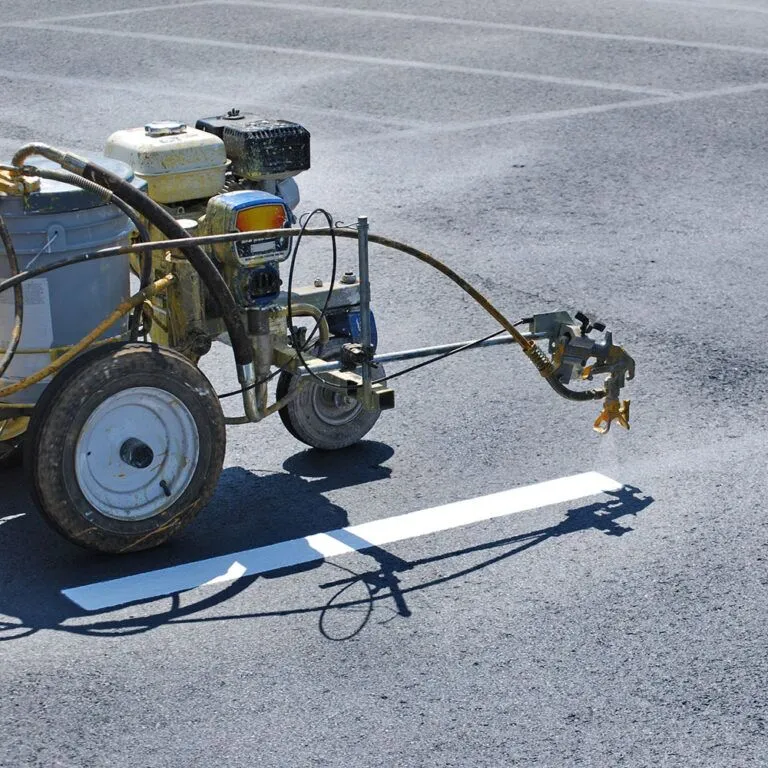
Close-up shot of concrete striping equipment used for court resurfacing.
Regular concrete paint is not designed for game court surfacing. Professional courts require specialized coating systems built for athletic performance.
Professional Grade Coatings
High-quality acrylic coatings can provide:
- Consistent ball bounce
- UV resistance
- Improved grip
- Better player safety
- Long-lasting color
- Durable playing surfaces
The surfacing system directly affects the overall playing experience.
How It Gets Applied
A professional surfacing process may include:
- Cleaning and preparing the concrete surface
- Applying bonding primer
- Installing multiple base color coats
- Adding texture or cushioning layers
- Applying final color coatings
- Precision line striping according to official dimensions
Popular Court Color Combinations for 2026
Popular combinations include:
- Forest green with blue service areas
- Navy with hunter green
- Charcoal with lime green
- Custom school or team colors
Choosing the right color combination can improve both appearance and visibility.
Design Before You Build
Before committing to a color scheme, homeowners should review several combinations and consider how the court will fit with the home, landscaping, and surrounding outdoor space.
When Courts Need Refreshing
Most pickleball court surfaces require maintenance or resurfacing every 5-8 years depending on use, weather, and material quality.
Professional resurfacing may include:
- Crack repair
- Acrylic resurfacer
- Fresh coatings
- Updated line striping
- New color combinations
Some older tennis courts can also be converted into pickleball courts during resurfacing.
Pickleball Court Dimensions: Getting the Size Right
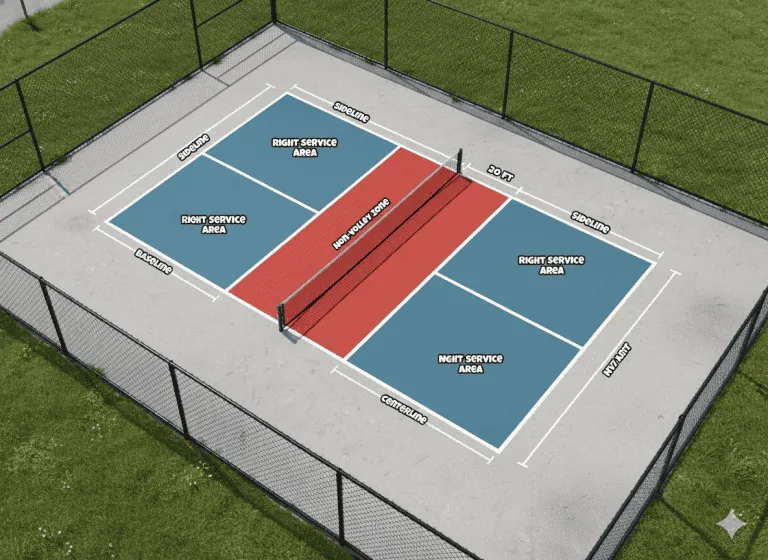
Official standards matter whether you’re building a new court or converting an existing space.
Standard Pickleball Court Size
A standard pickleball playing area measures:
20 feet wide × 44 feet long
This works for both singles and doubles play.
The recommended total area with runoff space is approximately:
30 feet × 60 feet
For competitive play, a larger area around 34 feet × 64 feet may be preferred.
The pickleball net sits at:
- 36 inches at the sidelines
- 34 inches at the center
The non-volley zone, commonly called the kitchen, extends 7 feet from the net on both sides.
Service courts measure approximately:
15 feet deep × 10 feet wide
Game Court Layouts
A full basketball court measures approximately:
50 feet × 94 feet
This can accommodate multiple pickleball layouts depending on configuration.
A half basketball court can also accommodate a pickleball court with some shared line areas.
A standard tennis court measures approximately:
36 feet × 78 feet
Depending on the overall available area, multiple pickleball courts may be incorporated into the same space.
Professional court builders design these layouts to maximize usable space while maintaining proper dimensions for each game.
What Separates Real Court Builders from Regular Contractors
Site Preparation Knowledge
Professional court builders understand that long-term performance starts with the foundation.
They evaluate:
- Soil composition
- Drainage
- Grading
- Water management
- Base materials
- Vapor barriers where required
Proper preparation helps extend the life of the court.
Concrete Expertise
Court-specific concrete construction differs from basic driveway or patio work.
Important considerations include:
- Concrete mix
- Reinforcement system
- Slab thickness
- Surface finishing
- Proper curing time
Concrete should be allowed sufficient time to cure before surfacing begins.
Texas Climate Adjustments
Experienced Texas court builders understand local conditions.
Houston’s summer heat can create curing challenges. Austin and San Antonio receive significant UV exposure, while clay soil in Dallas-Fort Worth may require additional engineering.
Proper drainage and climate-specific construction techniques can reduce maintenance costs over time.
Quality Assurance
Professional pickleball court builders should:
- Verify court dimensions
- Use appropriate materials
- Provide written warranty information
- Inspect concrete before surfacing
- Offer post-installation guidance
- Follow recognized pickleball court standards
FAQ: Your Court Questions Answered
How much does it cost to build a pickleball court?
Professional residential pickleball courts typically range from $34,000-$45,000 for a basic installation.
This may include:
- Site preparation
- Engineered concrete
- Proper curing
- Professional acrylic surfacing
- Court lines
Premium game courts with lighting, basketball features, custom colors, or cushioned surfaces may range from $50,000-$75,000+.
For accurate project pricing, a professional site evaluation is recommended.
How long does construction take?
A typical timeline may include:
- Days 1-3: Site preparation, grading, and concrete pour
- Days 4-30 or 35: Concrete curing
- Days 31-32: Professional surfacing and line striping
Total project time is commonly around 5-6 weeks, depending on weather and site conditions.
Can I use existing concrete?
Possibly.
An existing slab should be professionally evaluated for:
- Minimum thickness
- Structural condition
- Cracks or settling
- Drainage slope
- Court dimensions
- Surface consistency
Many patio or driveway slabs were not originally designed for athletic surfaces, so professional inspection is important.
What’s best for outdoor courts?
Post-tension concrete with professional acrylic coatings is a popular choice for outdoor courts because it offers:
- Crack resistance
- Consistent ball bounce
- UV resistance
- Lower maintenance needs
- Long service life
Asphalt may cost less initially but can require more frequent resurfacing.
Do I need permits?
Many Texas cities require permits for certain parts of court construction, including:
- Concrete work
- Electrical installations
- Court lighting
- Fencing over specific heights
Permit requirements vary by location, so local codes should always be checked before construction begins.
How to Pick Your Builder
Look for Court Experience
Choose contractors who specialize in court construction rather than general contractors who only build courts occasionally.
Ask for examples of completed projects and references where possible.
Check Who Does the Work
Companies with dedicated teams for site preparation, concrete, and surfacing can provide better quality control.
Heavy reliance on subcontractors can sometimes make project coordination more difficult.
Ask About Materials
Ask specific questions such as:
- What concrete specifications do you use?
- How long does the slab cure?
- What surfacing system is installed?
- What warranty is included?
- What drainage method is used?
Clear answers are a good indicator of experience.
Find Local Knowledge
For Texas projects, choose builders familiar with:
- Clay soils
- Extreme heat
- UV exposure
- Heavy rainfall
- Regional drainage conditions
Local experience can make a major difference in long-term court performance.
Red Flags to Avoid
Be cautious of:
- Pricing far below market without explanation
- Pressure to make fast decisions
- No project references
- No written warranty
- Vague installation timelines
- Unclear curing methods
- Limited information about surfacing materials
Start Your Court Project in 2026
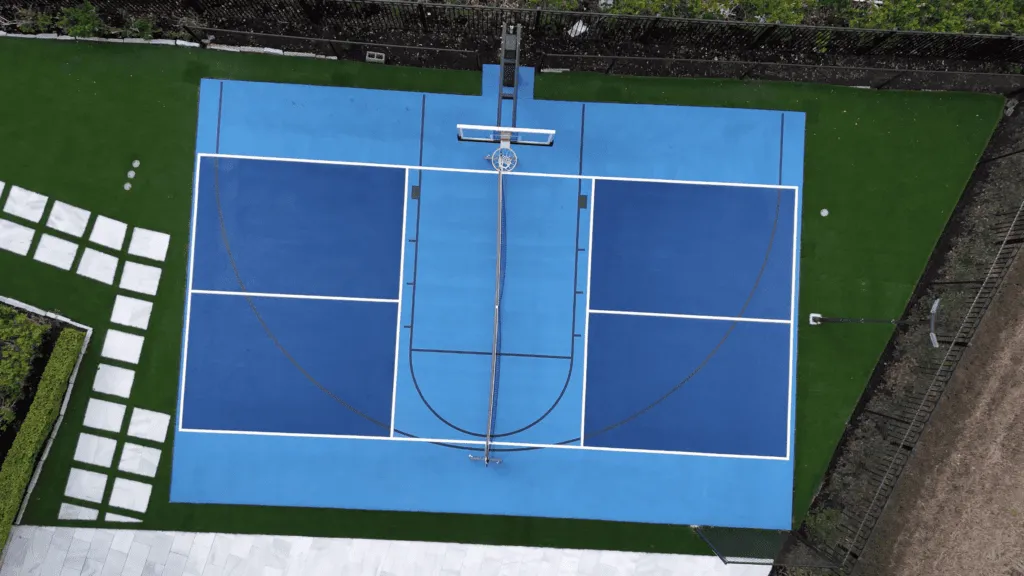
Whether you want a family court for recreation, a competitive facility, or a premium outdoor amenity, the builder you choose will have a major impact on the final result.
We Build Pickleball Courts brings Texas-specific experience to residential and commercial projects, from single backyard courts to large multi-court facilities.
Professional installation helps ensure:
- Proper drainage
- Consistent ball bounce
- Player safety
- Durable surfaces
- Long-term performance
That’s the difference between general contractors who occasionally build courts and experienced professionals who specialize in court construction.
We Build Pickleball Courts serves homeowners and commercial clients throughout Houston, Dallas-Fort Worth, Austin, and San Antonio.
